How Much Does POTS Line Replacement Cost? A Savings and ROI Guide
Direct Answer
POTS line replacement costs have two parts: a one-time appliance and installation cost, and a flat monthly service plan, in place of copper line rates that keep repricing upward as carriers retire the network. Customers typically see telecom savings of up to 50%, and the savings compound because managed pricing stays flat while documented copper rates now exceed $3,300 per line per month in some states. The exact number for your organization depends on five drivers (what you pay per copper line today, how many lines each appliance consolidates, your device types, coverage, and battery requirements), which is why this guide gives you the model and the worksheet rather than a one-size-fits-all price.
If you’ve searched for a per-line price for POTS line replacement and found either no numbers or numbers that don’t survive contact with a quote, this guide explains why, and gives you something more durable: the cost structure, the five drivers that move it, and a worksheet for building a business case your CFO can check.
Key Takeaways
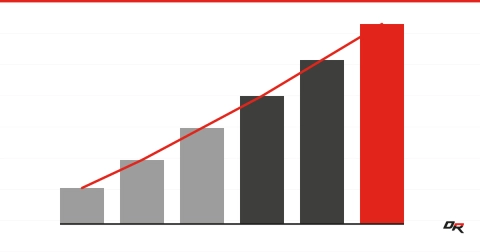
- Copper costs rise by design. A shrinking subscriber base carries a fixed-cost network, so per-line rates climb every year; documented cases now exceed $3,300 per line per month.
- Replacement costs are structural, not mysterious: one-time hardware + installation, plus a flat monthly managed plan.
- Consolidation is the biggest lever. One multi-port appliance can replace several separately billed copper lines.
- Typical savings run up to 50% versus per-line copper billing, before counting avoided truck rolls, outage response, and emergency-migration premiums.
- Waiting is the most expensive option: rates escalate, and a carrier retirement notice can compress your timeline to as little as 90 days.
Why copper line costs only go up
The economics are structural. A copper network’s costs (wire centers, poles, cable plant, field technicians) are mostly fixed, while its revenue base shrinks every year. The FCC counted 15 million traditional end-user switched-access lines in service in June 2025, down from 27 million three years earlier, a 17.9% compound annual decline (FCC Voice Telephone Services Report). Every line that leaves spreads the same fixed cost across fewer remaining lines.
Regulation used to mask this. With legacy price caps wound down, carriers now reprice remaining copper lines toward their true cost: the DataRemote Copper Retirement Bulletin documents rates climbing above $3,300 per line per month across ten states, with increases expected to continue until the lines are retired. The same bulletin tracks 824 AT&T copper retirement notices in 2026, up from 240 in 2024, alongside the impacted states and every regulatory milestone. The FCC’s copper retirement rules now let carriers give as little as 90 days’ notice.
The full economic story (why carriers want out of copper and what that means for the transition timeline) is covered in the economics of copper retirement.
What you’re actually paying for copper today
Before you can compare, you need your real copper cost, which is usually higher than the line item on the phone bill. A complete baseline includes:
| Cost component | Where to find it |
|---|---|
| Per-line monthly rate | Carrier invoice; note whether it’s contract or tariff pricing (tariff lines reprice without negotiation) |
| Taxes, surcharges, and regulatory fees | Same invoice; they add materially to the advertised line rate, so total the whole invoice, not the rate |
| Truck rolls and repair visits | Facilities or IT records; copper faults need a technician on site |
| Outage time on critical lines | What a down fire-alarm or elevator line costs you in monitoring workarounds, inspections, or fines |
| Administrative overhead | Time spent reconciling per-line bills across sites and carriers |
Multi-site organizations frequently discover lines nobody can explain: still billed monthly, connected to nothing. A line inventory (step one of any migration) often pays for itself before a single appliance ships.
What a managed replacement costs: the structure
A managed cellular replacement like POTS IN A BOX® has a predictable cost shape:
- One-time: the appliance and installation. Installation is typically minutes per line: the appliance arrives pre-provisioned, and existing analog devices plug into its RJ-11 ports with no rewiring.
- Monthly: a flat managed service plan covering the cellular data path, line monitoring, alerts, and support through the Ara platform.
Five drivers move the numbers:
| Driver | What it changes |
|---|---|
| Lines per appliance | The consolidation lever: a multi-port appliance replaces several separately billed copper lines with one device and one plan. Compare models by FXS port count |
| Device types | Life-safety endpoints (fire panels, elevator phones) need certified hardware and verification steps that ordinary voice lines don’t |
| Coverage | Sites with weak cellular signal may need antenna work; dual-SIM multi-carrier support covers most of this without extra engineering |
| Battery requirements | Code-governed lines may need documented backup duration; integrated battery backup runs up to 48 hours depending on model and load |
| Management model | Equipment-only versus fully managed; managed plans cost more per month and remove the truck-roll, monitoring, and administration costs from your side of the ledger |
The savings model: run your own numbers
The honest way to estimate savings is a comparison you can check, not a quoted percentage. The formula:
Annual savings = (current copper cost per line × number of lines × 12) − (managed monthly plan × 12 + amortized hardware and installation)
Work through it with your own inputs:
- Baseline: total the copper column from the table above (rate, surcharges, truck rolls, admin) per line, per month.
- Consolidation: map your line inventory to appliances. Eight analog lines at one site may need one appliance, not eight.
- Replacement cost: amortize hardware and installation over your planning horizon (three to five years is typical), and add the managed monthly plan.
- Avoided costs: count what stops happening: repair visits, after-hours outage response (remote diagnostics through Ara replace most truck rolls), and the emergency premium of migrating under a 90-day retirement notice instead of on your own schedule.
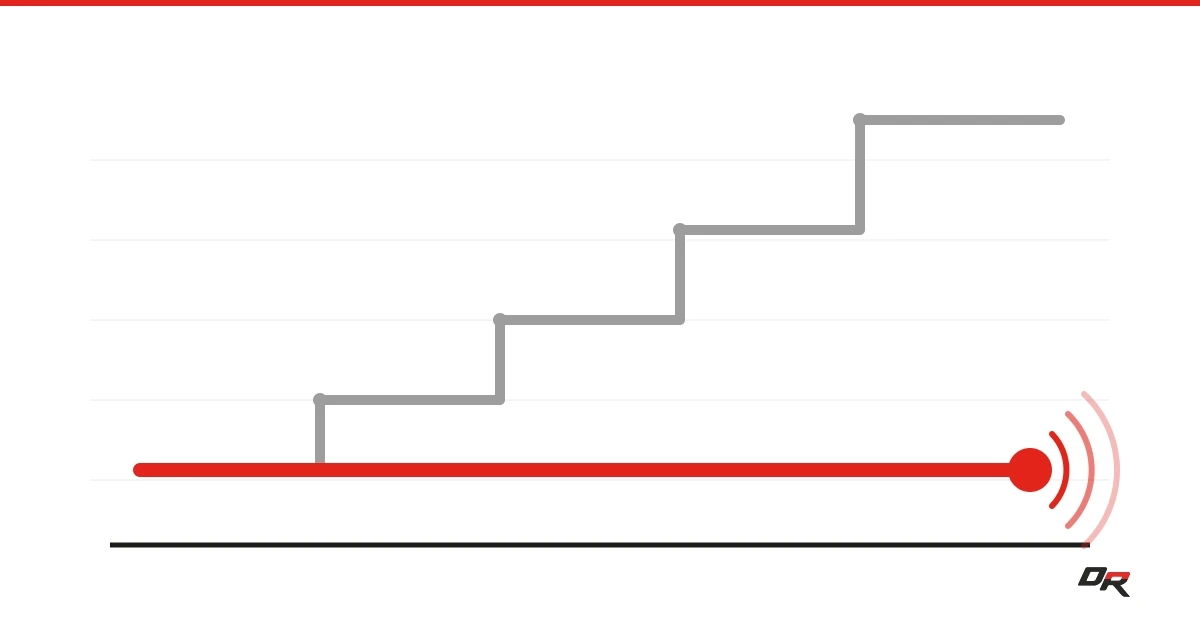
- Trajectory: copper baseline rises every renewal; the managed plan doesn’t. A comparison that holds copper flat understates the case more each year.
Customers typically see savings of up to 50% on this comparison. Where the number lands for you depends mostly on inputs one and two, which is why a vendor who quotes before seeing your line inventory is guessing.
The cost of waiting
Delay has a price with three components:
- Rate escalation. Every documented trend points one direction: the lines that remain get more expensive until they’re retired.
- Compressed timelines. Once your wire center’s retirement notice arrives, the FCC’s rules can give you as little as 90 days. Unplanned migrations pay expedite premiums: rushed site surveys, overtime installation, and no leverage in vendor negotiation. What businesses should do about the 2025 rule changes is covered in our FCC copper retirement briefing.
- Compliance exposure. For fire alarm panels and elevator phones, a copper disconnect isn’t an inconvenience; it removes a path that code requires. The cost of a failed inspection, a monitoring gap, or an out-of-service elevator phone belongs in the waiting column, not the migration column.
Put real numbers on it
The fastest way to a checkable number is a line inventory. Tell us what’s running on your copper lines (phones, alarms, elevators, fax, POS) and we’ll map each line to the right appliance and give you a migration cost you can put beside your current bill. Talk to a POTS expert.
CapEx or OpEx: structuring the spend
The same migration can be structured either way. Purchasing appliances up front with a service plan behind them books as capital expense with a lower recurring cost; a fully managed monthly rate books as operating expense with no up-front spend. Multi-site organizations tend to prefer OpEx because the point of the exercise, replacing an unpredictable, rising cost with a flat one, is a budgeting argument as much as a savings argument. Federal and government buyers should also confirm procurement requirements early: NDAA §889 and TAA compliance status is published per model on each product page.
Procurement questions that keep quotes comparable
Cost comparisons between vendors fall apart when the quotes don’t include the same things. Ask every vendor:
- What does the monthly rate include: carrier data plan, monitoring, alerting, support, hardware replacement?
- How many analog lines does one appliance consolidate at my sites, and what determines that number?
- Is the hardware certified for my specific device types, and where are those certifications published?
- What does installation involve, and who performs it?
- What happens to the rate at renewal?
- What does battery backup provide, for how long, and is that documented for my code requirements?
A teaser rate that excludes the data plan or the monitoring is not the same product as a managed rate that includes both.
How DataRemote helps
DataRemote’s POTS line replacement solution is built around the cost structure this guide describes: POTS IN A BOX® appliances consolidate multiple analog lines onto certified hardware, and the Ara platform replaces per-site truck rolls with remote provisioning, monitoring, and diagnostics, the operational half of the savings model. It’s the appliance behind MetTel’s $54 million modernization of roughly 15,000 VA landlines across 1,875 federal healthcare facilities, a deployment where the budgeting argument had to survive federal procurement. Pricing is quoted against your line inventory, because that’s the only version of the number worth putting in a business case.
Frequently Asked Questions
There is no single per-line price, because the cost depends on how many analog lines each appliance consolidates, the device types on those lines (a fire alarm panel has different requirements than a fax line), cellular coverage at the site, battery-backup requirements, and whether the service is managed. That's why credible vendors quote against a line inventory rather than publishing one flat rate. What is predictable is the structure: a one-time hardware and installation cost plus a fixed monthly service plan, in place of copper rates that reprice upward.
Customers typically see telecom savings of up to 50% by moving from per-line copper billing to a managed plan, and the gap widens over time, because documented copper rates now exceed $3,300 per line per month in some states while managed pricing stays flat. Your actual savings depend on what you pay per copper line today, how many lines one appliance can consolidate, and the truck-roll and outage costs you stop paying.
It can be structured either way. The appliance can be purchased up front (CapEx) with a monthly service plan, or bundled into a fully managed monthly rate (OpEx). Multi-site organizations often prefer the OpEx structure because it turns an unpredictable, rising per-line cost into a flat, budgetable line item.
The copper network's costs are largely fixed (poles, wire centers, field technicians) while its subscriber base shrinks every year. The FCC counted 15 million traditional switched-access lines in June 2025, declining at a 17.9% compound annual rate, so the same infrastructure cost is spread across fewer and fewer lines. With legacy price regulation wound down, carriers reprice the remaining lines accordingly: DataRemote's Copper Retirement Bulletin documents rates above $3,300 per line per month in some states.
Three things. First, rate escalation: every renewal cycle on copper tends to price higher than the last. Second, compressed timelines: once a carrier issues a retirement notice for your wire center, you may have as little as 90 days to migrate, and unplanned migrations cost more than planned ones. Third, risk exposure: a fire alarm or elevator line that loses its copper path before a replacement is verified is a compliance problem, not just a telecom problem.
Ask what's included in the monthly rate (carrier data plan, monitoring, support, hardware replacement), how many analog lines one appliance consolidates at your sites, whether the hardware is certified for your specific device types, what installation involves, and what the rate does at renewal. A low per-line teaser that excludes the data plan, monitoring, or life-safety-grade hardware is not comparable to a managed rate that includes them.
Related
Solutions
Definitions
Ready to retire your copper lines?
Talk to a DataRemote specialist about replacing your POTS lines before your carrier shuts copper down.