The Economics of Copper Retirement, Explained
Direct Answer
The economics of copper retirement now point in one direction: fewer people use copper phone lines every year, yet the cost to maintain the network stays high, so the cost per remaining line keeps climbing. A 2026 economic brief documents AT&T spending roughly $6 billion a year to run a copper network serving a subscriber base that fell about 81% between 2014 and 2024. For a business still running critical systems on copper, that math is the warning: waiting doesn’t hold your cost flat, it raises it. That is why proactive POTS line replacement is now a cost decision as much as a compliance one.
Key Takeaways
- Copper is no longer the default. U.S. last-mile copper voice subscribers fell roughly 81% from 2014 to 2024 (about 66 million to 12.5 million), and by 2024 roughly 79% of U.S. adults lived in wireless-only households.
- The cost curve is inverted. Because most copper costs are fixed, a shrinking user base means a rising cost per line: AT&T reported ~$6 billion/year (about 5% of revenue) to maintain copper, and over $1 billion in California in 2023 alone.
- Modern networks are far cheaper to run. Industry data cited in the research puts all-fiber operating costs about $91/home/year below DSL, with fiber using roughly 97% less energy per subscriber than copper.
- Copper theft has become a public-safety cost, not just a maintenance one: over 15,500 documented theft and sabotage incidents between mid-2024 and mid-2025, at times knocking out 911 and hospital communications.
- The equipment is obsolete. The Class-5 switches that run copper (Lucent 5ESS, Nortel DMS-100) are no longer manufactured; carriers keep them alive with secondary-market parts.
- For your building, the takeaway is timing. You can’t change the carrier’s economics, but you can get ahead of them by moving analog lines to a managed cellular replacement before a rate hike or shutdown notice.
Most conversations about the copper sunset focus on deadlines: which carrier is shutting down where, and by when. But the deadlines are a symptom. The underlying cause is economic, and a recent, heavily sourced analysis lays it out clearly. In February 2026, the International Center for Law & Economics (ICLE) published an issue brief by economists Eric Fruits and Brian Albrecht titled “Paying to Stand Still: Legacy Copper Mandates in a Fiber World.” It argues that requiring carriers to keep aging copper networks running imposes large and growing costs for shrinking benefit.
That framing matters for anyone still operating analog lines. The same forces making copper uneconomical for carriers are the forces raising your per-line bill and shortening the runway before service is discontinued. Below, we translate the brief’s economics into what they mean for a business with fire panels, elevator phones, fax machines, or alarm systems still on copper.
Copper Is No Longer the Consumer Default
The demand side of the equation has already shifted decisively. According to the FCC’s Voice Telephone Services report, subscribers served by copper last-mile connections fell about 81% between 2014 and 2024, from nearly 66 million to roughly 12.5 million. Over the same decade, mobile subscriptions rose from 322 million to 391 million. Copper’s share of the remaining wireline market dropped from about 60% in 2014 to 28% in 2024.
Consumer behavior confirms it: by 2024, roughly 79% of U.S. adults lived in wireless-only households, and fewer than 1% relied exclusively on a copper landline. In the brief’s words, the market has already made its decision; regulation and legacy contracts simply haven’t caught up.
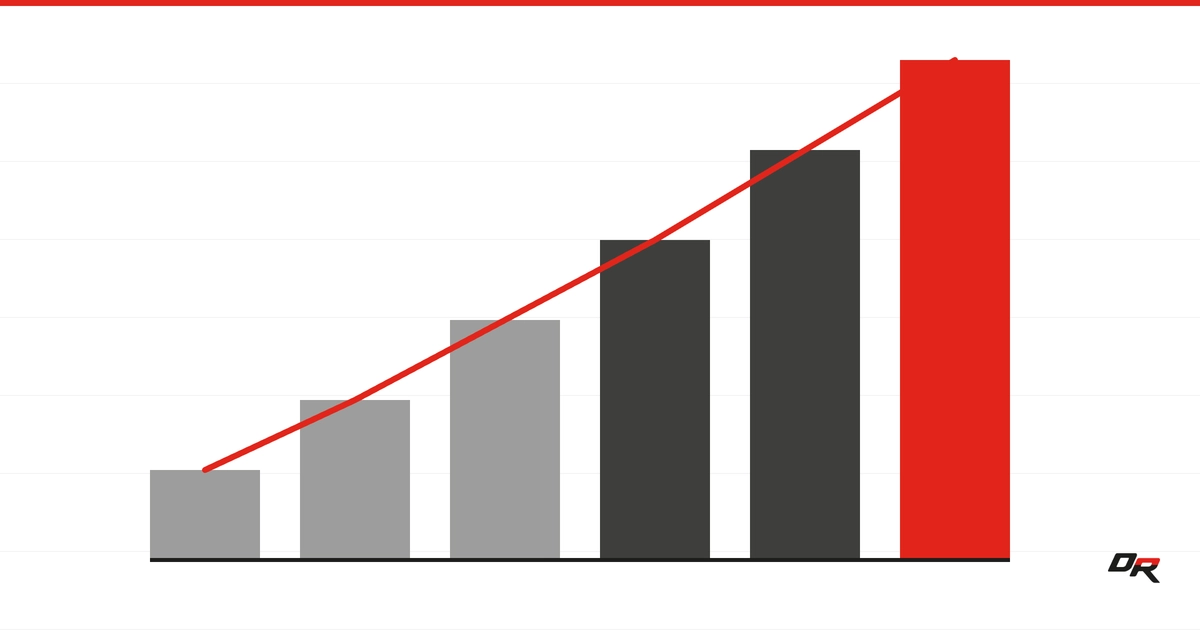
And the decline hasn’t leveled off. The FCC’s most recent Voice Telephone Services report shows retail switched access lines (the traditional copper-based lines) falling from about 27.2 million in mid-2022 to just 15.0 million by mid-2025, a compound decline of nearly 18% a year:
The problem is that a shrinking user base doesn’t make the network cheaper to run. It makes it more expensive per line.
The Math: Fewer Users, Higher Cost Per Line
Copper’s costs are mostly fixed. Whether a wire center serves 10,000 lines or 1,000, the carrier still has to power and cool the central-office equipment, staff and maintain the facility, dispatch technicians, and hold the real estate. As lines disappear, those fixed costs are spread across fewer subscribers, so the cost to serve each remaining line goes up.
The carrier disclosures compiled in the brief make the scale concrete:
| Data point | What it shows | Source (per the brief) |
|---|---|---|
| ~$6 billion/year | AT&T’s direct operating cost to run its copper network, about 5% of total revenue | AT&T 2024 Analyst & Investor Day |
| >$1 billion (2023) | AT&T’s copper maintenance spend in California, for a network serving under 5% (now ~3%) of households | CA Public Utilities Commission filings |
| ~983,000 lines | AT&T network-access lines lost in a single year (4.2M → 3.3M, 2023–2024) | AT&T 2024 Form 10-K |
| ~$180 million/year | Verizon’s annual operating savings after migrating 4.5M circuits to fiber (with ~60% fewer maintenance dispatches) | Verizon Investor Day 2022 |
This is the “paying to stand still” dynamic: carriers spend billions to preserve infrastructure for a customer base that is leaving voluntarily. And the per-line cost pressure doesn’t stay on the carrier’s balance sheet; it shows up as rate increases on the copper lines that remain, which is exactly what many businesses have watched happen to their POTS bills. We’ve documented that trend from the customer side in our guide to what the end of copper phone lines means for your organization.
Fiber and Wireless Cost Far Less to Run
The flip side of copper’s rising cost is how much cheaper modern networks are to operate. The brief compiles operating, energy, and reliability data that all point the same way:
| Metric | Copper / DSL | Fiber / modern | Difference |
|---|---|---|---|
| Operating cost per home passed (per year) | ~$144 (DSL) | ~$53 (all-fiber) | ~$91/year lower |
| Energy per subscriber (per year) | ~172 kWh | ~6 kWh | ~97% less |
| Maintenance cost per subscriber | Baseline | ~35% less | AT&T estimate |
| Repair dispatches (“truck rolls”) | Frequent, $150–$500 each | Sharply reduced | ~60% fewer (Verizon) |
The physical reasons are straightforward. Copper corrodes, absorbs moisture, and degrades under environmental stress; failures require costly on-site “truck rolls.” Fiber and wireless transmit light or radio rather than electricity over a fragile metallic pair, making them more reliable and far cheaper to operate. AT&T reported saving roughly 340,000 megawatt-hours of electricity in 2024 alone from its copper-to-fiber transition. This is the same efficiency logic behind treating copper migration as the telecom industry’s largest transition, not a niche upgrade.
Copper Theft Turned Maintenance Into a Public-Safety Problem
Here the economics take a darker turn. As copper’s commodity value rose (from about $2.29 per pound in 2020 to nearly $6 by early 2026), the aging lines carriers struggle to maintain became attractive theft targets.
The consequences reach well beyond carrier repair budgets. Industry data compiled in USTelecom’s Protecting the Nation’s Critical Communications Infrastructure report documented more than 15,500 theft and sabotage incidents between mid-2024 and mid-2025, disrupting service for over 9.5 million customers and, at times, taking down 911 systems, hospitals, and military facilities. AT&T alone reported nearly 8,700 theft incidents in 2025, about $76 million in repairs. The FBI has treated copper theft as a threat to critical infrastructure since 2008.
What alarms carriers most is the pace: reported incidents nearly doubled in a single six-month stretch.
For a business, the lesson isn’t the crime statistics; it’s the reliability implication. Every year copper stays in the ground, it becomes both harder to maintain and more exposed to failures the carrier is decreasingly motivated to fix quickly. That is a poor foundation for a fire alarm or an elevator emergency phone.
The Equipment Itself Is Obsolete
Even if the economics were neutral, the hardware is running out. The copper public-switched telephone network depends on Class-5 central-office switches that manufacturers no longer produce. The Lucent 5ESS entered service in 1982 and was last manufactured in 2003. Nortel, maker of the DMS-100, filed for bankruptcy in 2009. Siemens’ EWSD switching system is fully discontinued. Carriers now keep these systems alive with refurbished, secondary-market parts. In one documented case, a military base sourced 5ESS replacement components on eBay before finally decommissioning the switch.
The transport layer is disappearing too: major vendors have ended or are phasing out support for the legacy SONET/SDH systems that carry traffic across copper networks. Each year, replacement components grow scarcer and maintenance grows more expensive, with no new production to replenish the supply.
What the Copper Economics Mean for Your Building
You don’t set the carrier’s cost curve. But that curve now sets your timeline. Here’s how to read it as a decision framework rather than a headline:
- Your per-line cost will rise, not hold. The fixed-cost dynamic guarantees it. If your POTS bill has crept up, that’s the copper economics reaching your building, and it compounds.
- Repairs will get slower. As carriers deprioritize copper, restoration times for the lines behind your critical systems lengthen. For a fire panel or elevator phone, downtime is a compliance and safety exposure, not an inconvenience.
- The shutdown is a “when,” not an “if.” Carriers are actively filing to discontinue copper. Moving on your own schedule is cheaper and calmer than reacting to a discontinuance notice.
- A generic VoIP jack is not a substitute. Life-safety and alarm devices were engineered for analog signaling. They need a replacement that preserves DTMF, line seizure, supervision, ring-down, fax, and E-911, not just a dial tone.
Where to start
The single most valuable first step is an inventory: which analog devices, at which locations, are still on copper? You can’t budget or migrate lines you haven’t mapped. Our enterprise copper-sunset migration guide walks through building that inventory and sequencing a multi-site move, or you can talk to a DataRemote specialist to scope it directly.
This is exactly the problem POTS IN A BOX® is built to solve. A managed cellular gateway sits between your existing analog equipment and the wireless network, carrying the signals those devices depend on, with integrated battery backup and automatic failover so critical lines stay up during power or internet outages. Because the appliances are managed through the Ara platform, the migration doesn’t just swap the transport; it replaces an aging, deprioritized copper line with infrastructure you can monitor and troubleshoot remotely. This economics angle is one spoke of DataRemote’s complete guide to POTS line replacement, which walks through your options end to end; for the regulatory side, our breakdown of what the FCC’s copper-retirement rules mean for businesses covers the notice and compliance details.
The Bottom Line
The ICLE brief’s conclusion is about policy: regulators should stop mandating maintenance of a network the market has abandoned. But the underlying data tells businesses something more immediate. The transition off copper is no longer a question of whether: consumers, carriers, and the equipment supply chain have already decided. The only open question is whether you migrate your critical lines on your own terms, or on the terms of a rate hike, a slow repair, or a discontinuance notice.
Standing still isn’t free. The economics say it gets more expensive every year. For the fire panels, elevators, and alarm systems still riding on copper, the cost of waiting is measured in more than dollars.
Frequently Asked Questions
Most of the cost of a copper network is fixed: carriers still have to power central-office equipment, staff wire centers, dispatch repair technicians, and hold real estate even as customers leave. As the subscriber base shrinks, those fixed costs are spread across fewer lines, so the cost per remaining line rises every year. According to a 2026 issue brief from the International Center for Law & Economics, U.S. last-mile copper subscribers fell roughly 81% between 2014 and 2024 (from about 66 million to 12.5 million) while the infrastructure behind them still has to be maintained.
At its 2024 Analyst & Investor Day, AT&T reported spending roughly $6 billion per year, about 5% of total revenue, just to keep its copper network running. In California alone, AT&T reported spending more than $1 billion in 2023 to maintain copper serving fewer than 5% of households. By contrast, Verizon reported roughly $180 million in annual operating savings and about 60% fewer maintenance dispatches after migrating 4.5 million circuits from copper to fiber.
Yes. As copper commodity prices climbed from about $2.29/lb in 2020 to nearly $6/lb by early 2026, telecom lines became a theft target. AT&T reported nearly 8,700 theft incidents in 2025 (about $76 million in repairs), and industry data compiled by USTelecom documented more than 15,500 theft and sabotage incidents between mid-2024 and mid-2025, at times disrupting 911 systems, hospitals, and military facilities and affecting over 9.5 million customers.
You don't control the carrier's cost curve, but it increasingly controls your timeline and your bill. As carriers wind copper down, they raise rates on remaining lines, slow repairs, and file to discontinue service. Businesses that still run fire alarms, elevator phones, fax, or alarm panels on copper should inventory those lines and move them to a purpose-built POTS replacement before a rate hike or shutdown notice forces a rushed migration.
Remaining copper subscribers skew older and more rural, which is why transition policy pairs copper retirement with notice requirements and the availability of alternative voice services over wireless and VoIP. For life-safety and business lines specifically, a managed cellular replacement can preserve the analog behaviors those devices need, including E-911, rather than simply removing service.
Related
See what copper is really costing you
The carrier economics driving copper retirement are the same ones inflating your POTS bill. Talk to DataRemote about migrating your analog lines to a managed, compliant cellular replacement before the next rate hike or shutdown notice.